

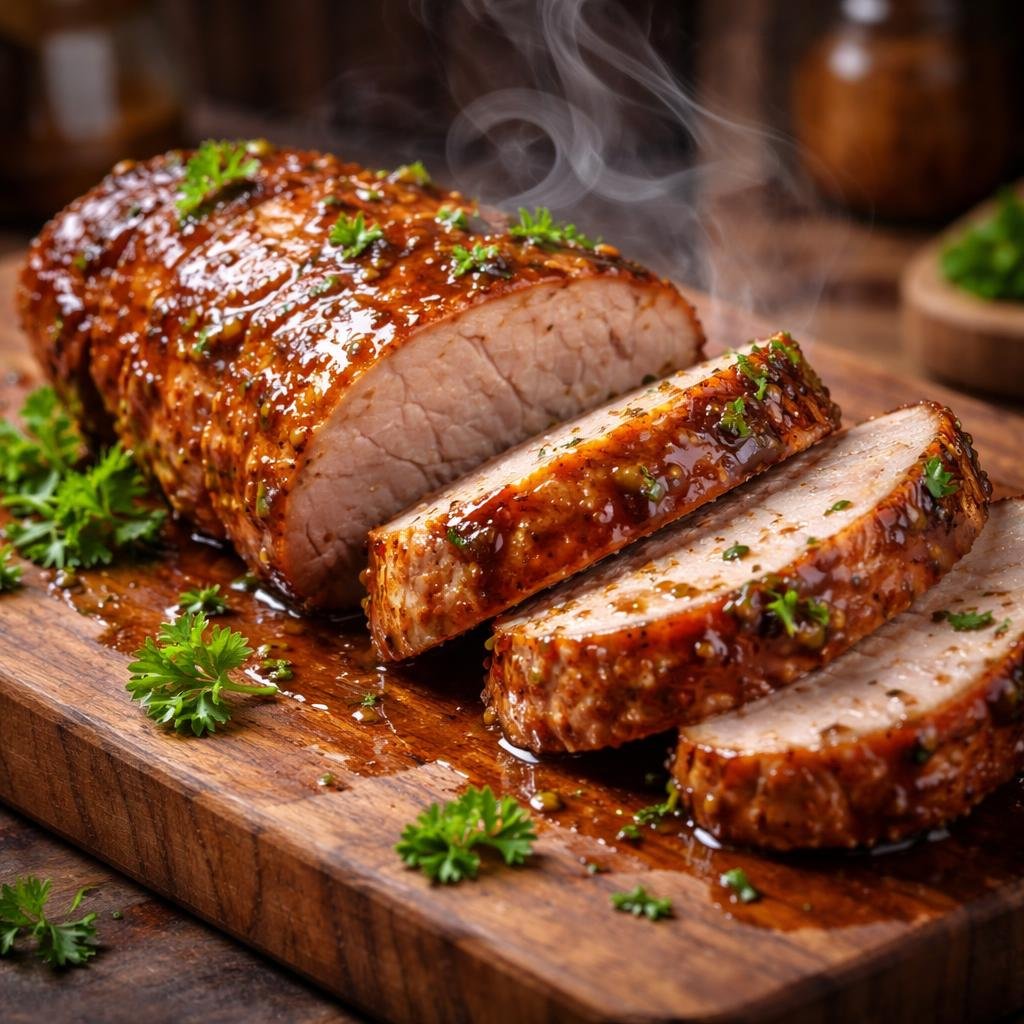
There is something special about a simple, juicy pork tenderloin on a cold winter night. It looks elegant on the plate, it tastes like a restaurant dinner, and yet it takes only 40 to 45 minutes from fridge to table. Pork tenderloin is one of the most underrated cuts in American cooking — lean, tender, quick to cook, and far cheaper than a beef fillet — and this guide brings together three easy pork tenderloin recipes from some of the most trusted names in home cooking: Jamie Oliver, the Marry Me creamy version, and Paula Deen. Pick the one that fits your evening, and you will have a dinner that feels special without any stress.
Whether you want a fresh herb-roasted tenderloin, a rich and creamy one-pan dinner, or a Southern spice-rubbed roast with a sweet pan sauce, the secret is always the same: a quick sear to lock in the juices, gentle cooking to exactly the right temperature, and a proper rest before slicing. Below you will find a quick comparison of all three recipes, a full walk-through of each one, the golden rules for juicy pork, easy variations, and make-ahead tips that make pork tenderloin the perfect winter-night dinner.
Why Pork Tenderloin Is Perfect for Winter Nights
Pork tenderloin earns its place on a winter table for a few simple reasons. First, it is fast. Every recipe in this guide is ready in 40 to 45 minutes, which makes it ideal for busy weeknights when you still want something that feels like a proper dinner. Second, it is lean and tender. Tenderloin is the most tender cut of pork, with very little fat, so it stays soft and juicy when it is cooked gently — and at 320 to 420 calories per serving, it is lighter than most winter mains. Third, it is versatile. The same cut can be herb-roasted, simmered in a creamy sauce, or spice-rubbed and oven-roasted, so it never gets boring.
The cut matters more than anything else. Pork tenderloin is a long, thin muscle that runs along the backbone, and it is completely different from pork loin, which is a much larger and leaner roast. Tenderloin cooks in minutes, not hours, and it dries out quickly if it is overcooked — so a meat thermometer is your best friend, and resting the meat is not optional. Get those two things right, and tenderloin is one of the easiest impressive dinners you can cook.
A Quick Comparison: 3 Easy Pork Tenderloin Recipes
| Recipe | Style | Prep | Cook | Total | Serves | Calories |
|---|---|---|---|---|---|---|
| Jamie Oliver’s Pork Tenderloin | Herb-roasted | 15 mins | 25 mins | 40 mins | 4 | 320 kcal |
| Marry Me Pork Tenderloin | Creamy one-pan | 15 mins | 30 mins | 45 mins | 4 | 420 kcal |
| Paula Deen Pork Tenderloin | Southern spice-rubbed | 15 mins | 25 mins | 40 mins | 4 | 380 kcal |
Jamie Oliver’s Pork Tenderloin Recipe
Jamie Oliver’s Pork Tenderloin Recipe is the lightest and freshest version in this guide, and it is the one to pick when you want a clean, herby dinner that feels healthy and elegant. It serves 4 people, takes 15 minutes of prep and 25 minutes of cooking, and comes in at just 320 calories per serving — the lightest of the three.
Start with 500 grams of pork tenderloin, 2 tablespoons of olive oil, 4 crushed garlic cloves, 1 tablespoon of chopped fresh rosemary, 1 tablespoon of fresh thyme, 1 teaspoon of lemon zest, 1 teaspoon of salt, 1 teaspoon of black pepper, 1 tablespoon of butter, 1 tablespoon of honey, and 1 tablespoon of mustard.
Take the pork out of the fridge and let it sit for 10 minutes so it cooks evenly, then pat it dry with paper towels — dry meat gives a much better sear. Season it with salt and black pepper on all sides. In a small bowl, mix the garlic, rosemary, thyme, lemon zest, honey, and mustard into a flavor paste. Heat the olive oil in a large frying pan over medium heat, place the pork in the hot pan, and sear each side for 2 to 3 minutes until golden brown. Add the butter and spoon it over the pork as it melts, then spread the garlic and herb mixture evenly over the meat. Transfer the pork to an oven-safe dish and bake at 180 degrees Celsius for 15 to 18 minutes, depending on thickness. The inside should be slightly pink for the best result, and a thermometer should read around 63 degrees Celsius. Remove the pork from the oven and let it rest for 5 to 10 minutes — do not skip this step, because resting keeps the juices inside. Slice into thick pieces, spoon the pan juices over the top, and serve warm.
This version is perfect for a date night or a light family dinner, and it pairs beautifully with creamy mashed potatoes, roasted vegetables, garlic butter rice, or a fresh green salad. Leftovers keep in the fridge for up to 3 days in an airtight container, and the pork freezes well for up to 1 month. Reheat it in a pan on low heat with a little butter to keep it moist, and avoid the microwave for the best texture.
Marry Me Pork Tenderloin Recipe
Marry Me Pork Tenderloin Recipe is the richest version in this guide, and it is the one to pick when you want a dinner that feels like a celebration. It serves 4 people, takes 15 minutes of prep and 30 minutes of cooking, and comes in at 420 calories per serving. The creamy Parmesan sauce with sun-dried tomatoes is so good that people joke it could inspire a proposal — and once you taste it, you will understand why.
Start with 1 pork tenderloin of about 1 pound, 1 teaspoon of salt, half a teaspoon of black pepper, 1 teaspoon of paprika, 2 tablespoons of olive oil, 3 minced garlic cloves, half a cup of chicken broth, 1 cup of heavy cream, half a cup of grated Parmesan cheese, a third of a cup of chopped sun-dried tomatoes, 1 teaspoon of Italian seasoning, half a teaspoon of chili flakes if you like heat, and fresh parsley for garnish.
Pat the pork dry, sprinkle salt, pepper, and paprika evenly over it, and rub the seasoning well into all sides. Heat the olive oil in a large skillet over medium heat and sear the pork for 2 to 3 minutes on each side until golden brown, then take it out and set it aside. In the same pan, cook the minced garlic for about 30 seconds until fragrant but not burned. Pour in the chicken broth and heavy cream, stir well, and scrape the bottom of the pan to mix in all the browned flavor. Add the Parmesan cheese and sun-dried tomatoes and stir until the cheese melts and the sauce turns thick and creamy. Add the Italian seasoning and chili flakes, taste the sauce, and let it simmer for 3 to 5 minutes. Place the pork back into the pan, spoon sauce over it, and let it cook in the sauce for 10 to 15 minutes until it is fully cooked. A thermometer should read 63 degrees Celsius, or 145 degrees Fahrenheit. Remove the pork, let it rest for 5 minutes, slice into thick pieces, and pour extra sauce over the top before serving.
This version is perfect for date nights, family gatherings, weekend meals, and small celebrations, and it feels elegant without being hard to prepare. Serve it with garlic mashed potatoes, butter rice, steamed vegetables, roasted carrots, or pasta to soak up the sauce. Leftovers keep in the fridge for up to 3 days; reheat on low heat with a splash of cream, and avoid microwaving for too long so the meat does not dry out. You can also prepare the sauce ahead of time and cook the pork fresh for the best texture.
Paula Deen Pork Tenderloin Recipe
Paula Deen Pork Tenderloin Recipe is the Southern comfort version in this guide, and it is the one to pick when you want bold spice and a sweet, buttery pan sauce. It serves 4 people, takes 15 minutes of prep and 25 minutes of cooking, and comes in at 380 calories per serving. It uses simple ingredients you likely already have at home, and even beginners can make it with confidence.
Start with 1.5 pounds of pork tenderloin, 2 tablespoons of olive oil, 2 tablespoons of butter, 3 minced garlic cloves, 1 teaspoon of paprika, 1 teaspoon of dried thyme, 1 teaspoon of salt, half a teaspoon of black pepper, half a teaspoon of onion powder, a quarter teaspoon of cayenne pepper if you like heat, a quarter cup of chicken broth, 2 tablespoons of brown sugar, and 1 tablespoon of Dijon mustard.
Preheat the oven to 400 degrees Fahrenheit, or 200 degrees Celsius, and trim any excess fat from the pork. Mix the paprika, thyme, salt, pepper, onion powder, and cayenne together and rub the spice mixture evenly over the pork. Heat the olive oil and butter in an oven-safe skillet over medium-high heat and sear the pork on all sides until golden brown, about 3 to 4 minutes per side. Mix the chicken broth, brown sugar, and Dijon mustard in a small bowl and pour the mixture over the pork in the skillet. Transfer the skillet to the oven and roast for 15 to 20 minutes. Use a meat thermometer — the pork should reach 145 degrees Fahrenheit, or 63 degrees Celsius. Remove the skillet from the oven, cover the pork with foil, and let it rest for 5 minutes. Slice the tenderloin and serve it with the pan sauce spooned over the top.
The brown sugar and mustard pan sauce is the quiet star of this version. It turns sweet, savory, and buttery in the oven, and it is wonderful brushed over the sliced pork or spooned over mashed potatoes. Serve it with garlic mashed potatoes, roasted asparagus, or honey-glazed carrots for a full Southern dinner. It works just as well for a weeknight family meal as it does for a dinner party, because it looks impressive and tastes like classic Southern cooking.
How to Pick the Right Pork Tenderloin for Tonight
Start with your mood. If you want something light and fresh, Jamie Oliver’s herb-roasted version is the clear choice at 320 calories per serving, with rosemary, thyme, lemon zest, and honey. If you want something rich and romantic, the Marry Me version is the one — the creamy Parmesan and sun-dried tomato sauce is the most indulgent of the three. If you want bold Southern flavor, Paula Deen’s spice rub with brown sugar and mustard is the most satisfying, and it is the only version that finishes in the oven with a sweet pan sauce.
Then think about your kitchen. Jamie Oliver’s version needs an oven-safe dish for the final bake. The Marry Me version is a true one-pan dinner — everything happens in the same skillet, including the sauce. Paula Deen’s version needs an oven-safe skillet, because it goes straight from the stove into a 400-degree oven. All three take 40 to 45 minutes in total, so time will not decide for you — flavor will.
Finally, think about your guests. The herb-roasted version is the most elegant and the easiest to pair with light sides. The creamy version is the most crowd-pleasing and the best for a celebration. The Southern version is the most comforting and the best for a cold night when everyone wants something hearty. All three serve 4 people, and all three use the same cut, so you can switch between them all winter without learning a new technique.
The Golden Rules of Juicy Pork Tenderloin
Every great pork tenderloin follows the same handful of rules, and they are worth learning once because they apply to all three recipes. First, do not overcook the pork. Tenderloin is lean, and it goes from juicy to dry in just a few minutes. The safe and juicy target is 63 degrees Celsius, or 145 degrees Fahrenheit, measured in the thickest part with a meat thermometer. At that temperature the center will be slightly pink, which is exactly how tenderloin should be served. Second, always rest the meat before slicing. Five to ten minutes under foil lets the juices settle back into the meat instead of running out onto the cutting board. If you slice too soon, you lose the very juiciness you worked for.
Third, pat the pork dry before you season it. Wet meat steams instead of searing, and a good sear is what builds the golden crust and the deep flavor. Fourth, sear first, then finish gently. Two to four minutes per side in a hot pan gives you color and flavor, and then the oven or the sauce finishes the cooking slowly and evenly. Fifth, let the pork come toward room temperature before cooking — ten minutes out of the fridge is enough — so it cooks evenly from edge to center. And finally, season generously. Tenderloin is mild, so it needs salt, pepper, herbs, and spices to shine. The rubs and pastes in these three recipes all do that job beautifully.
Easy Variations to Try
Once you know the basic method, pork tenderloin is easy to make your own. For a spicy version, add chili flakes to any of the three recipes — the Marry Me version already includes them as an option, and Paula Deen’s cayenne gives a gentle Southern heat. For a sweeter version, swap the honey in the Jamie Oliver recipe for maple syrup, or add an extra spoonful of brown sugar to Paula Deen’s pan sauce. For a lighter sauce, swap the heavy cream in the Marry Me recipe for half-and-half or coconut cream; the taste changes slightly but stays creamy and delicious. For a fresher finish, use fresh basil instead of parsley, or add a squeeze of lemon juice at the end.
You can also change the herbs. Swap rosemary for oregano in the Jamie Oliver version, or add fresh sage for a more wintry flavor. Add mushrooms to the Marry Me sauce for extra texture, or stir in a handful of spinach for a healthy touch. Serve the sliced pork over pasta for a fuller meal, or with roasted vegetables in the same pan for a complete one-pan dinner. And if you have leftovers, sliced cold tenderloin is wonderful the next day in sandwiches or over a salad.
Make-Ahead, Storage and Reheating
Pork tenderloin is best cooked fresh, but it is very make-ahead friendly with a little planning. You can season the pork and prepare any herb paste, spice rub, or sauce up to a day ahead, then cook it fresh when you are ready to eat — the Marry Me sauce, in particular, can be made ahead and reheated gently. If you cook the pork fully ahead of time, slice it only after it has rested, store it in portions in an airtight container, and keep it in the fridge for up to 3 days. It also freezes well for up to 1 month.
Reheat it gently in a pan on low heat with a little butter, cream, or broth to keep it moist, and avoid the microwave for the best texture. If you are reheating sliced pork, warm it in the sauce rather than on its own, because the sauce protects it from drying out. Never reheat it at high heat, and never skip the resting step a second time — a short rest after reheating helps the slices stay juicy. For meal prep, the Jamie Oliver version is the best choice: it stores well, reheats nicely, and sliced portions make quick, tasty lunches all week.
What to Serve with Pork Tenderloin
Tenderloin is a mild, elegant meat, so the best sides are the ones that add richness or freshness around it. Creamy mashed potatoes are the classic choice — they soak up pan juices and creamy sauces beautifully. Roasted vegetables add color and sweetness, and garlic butter rice is a simple, clean base. A fresh green salad brings brightness to the plate, and crispy roasted potatoes or honey-glazed carrots add a satisfying crunch and a touch of sweetness. For a full winter-night spread, pair your tenderloin with a cozy soup starter, such as the potato soup or French onion soup from our winter collection, and finish with something warm from the oven.
FAQs About Pork Tenderloin
How do I know the pork is cooked properly?
The pork should be slightly pink inside. Use a meat thermometer if possible — the internal temperature should reach 63 degrees Celsius, or 145 degrees Fahrenheit, in the thickest part. Let it rest for 5 to 10 minutes after cooking, because the temperature rises a little more as it rests and the juices settle back into the meat.
Can I use other cuts of pork?
Yes, but the cooking time will change. Pork loin or pork chops work too, but tenderloin is the best choice for a soft texture and fast cooking. If you use a thicker cut, add cooking time and check the temperature carefully. Never cook tenderloin the way you would cook a shoulder — it is a lean, quick-cooking cut, not a slow-cooking one.
What can I use instead of fresh herbs?
You can use dried herbs if needed, but use smaller amounts because dried herbs are stronger than fresh ones. Fresh herbs give better flavor and aroma, especially rosemary and thyme. If you swap rosemary for oregano, or thyme for sage, the dish will still be delicious — just a little different.
Can I cook pork tenderloin without an oven?
Yes. You can finish cooking it in a covered pan on low heat, cooking slowly until it is done all the way through. The Marry Me version already finishes in the pan, in its sauce, with no oven at all. Use low heat, keep the pan covered, and check the temperature with a thermometer to make sure it cooks evenly.
Is pork tenderloin good for meal prep?
Yes, it stores well and reheats nicely. Slice it and store it in portions in an airtight container in the fridge for up to 3 days, or freeze it for up to 1 month. It makes quick and tasty meals during busy days — sliced over rice, in sandwiches, or warmed in its sauce with vegetables.
Final Thoughts
Pork tenderloin is winter comfort food at its very best — fast, lean, elegant, and deeply satisfying. Whether you choose Jamie Oliver’s fresh herb-roasted version, the rich and creamy Marry Me version with its sun-dried tomato sauce, or Paula Deen’s Southern spice-rubbed roast with its sweet mustard pan sauce, the result is the same: juicy pork, a dinner that looks like you worked far harder than you did, and a table full of happy people.
Pick one recipe, get your pan properly hot, cook it to 145 degrees, and let it rest before you slice. Your winter nights will taste better for it.