

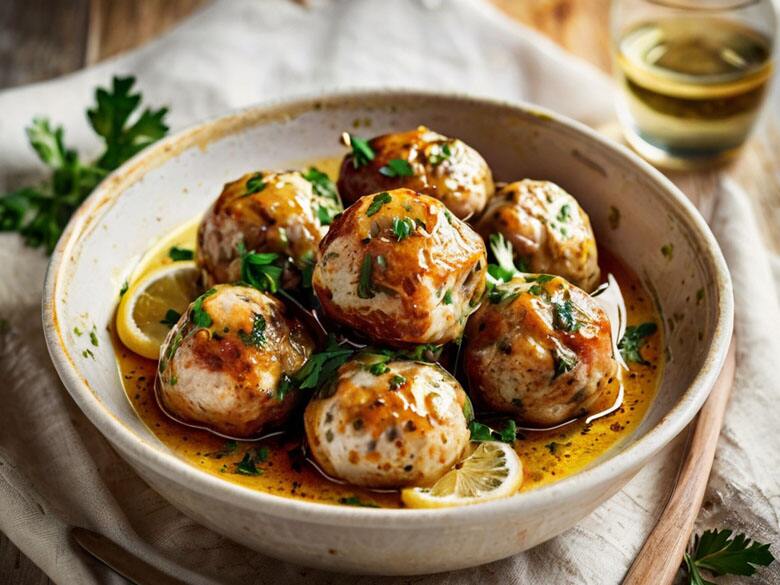
Bright, buttery, lemony, and completely weeknight-friendly. That is what chicken piccata meatballs taste like. Tender chicken meatballs bake in the oven until golden, then get tossed in a silky lemon and caper butter sauce until every meatball shines. This guide covers the chicken piccata meatballs recipe in full depth, from the exact ingredients and the eleven-step method to variations, what to serve with them, and how to store the leftovers for a busy winter week.
If you want a holiday dinner that feels elegant but comes together with easy ingredients, these meatballs are the answer. The sauce is zesty and tangy, the meatballs stay juicy inside, and the whole dish is ready in thirty-five minutes. Follow the steps below and you will get tender meatballs in a bright lemon butter sauce with a proper restaurant feel every single time.
For more meatball dinners for cold nights, see our Easy Winter Meatball Recipes for Cozy Family Dinners.
The full original recipe this guide is based on is the Chicken Piccata Meatballs Recipe, with the same ingredients, times, and method used below.
Why Chicken Piccata Meatballs Belong on the Winter Table
Cold weather calls for food that is warm and comforting, but it does not always have to be heavy, and chicken piccata meatballs fit that moment perfectly. The dish takes a classic Italian-American favorite, chicken piccata, and gives it a creative twist with juicy, tender meatballs. One baking sheet, one skillet, and dinner is ready in thirty-five minutes, which is exactly what a busy winter evening needs.
Chicken piccata meatballs are also practical holiday food. The prep takes fifteen minutes, the bake takes fifteen to eighteen minutes, and the sauce comes together while the meatballs are in the oven. The total time is thirty-five minutes, and the recipe serves four people at 350 calories per serving. Ground chicken, breadcrumbs, Parmesan, lemon, and capers are all easy to find in any grocery store, and the recipe uses simple tools and common ingredients. It is easy to make ahead for easy serving, and it works as a family dinner, a special occasion dish, or a small holiday gathering main course.
It fits the season in another way too. Meatballs and cozy winter dinners are among the most searched cold-weather topics, and a bright lemon sauce is the kind of flavor that lifts a heavy holiday table. A dish like this bridges the Thanksgiving leftovers season and the Christmas table nicely, so one recipe keeps working for weeks instead of one day. If your kitchen already has ground chicken, a lemon, and a jar of capers, these meatballs are the warm, zesty, elegant partner that turns an ordinary weeknight into a special winter dinner.
What Makes These Piccata Meatballs So Good
The secret to these meatballs is simple, and it starts with the meat mixture. One pound of ground chicken mixes with breadcrumbs, grated Parmesan cheese, an egg, garlic, fresh parsley, and lemon zest, and that blend is what makes the meatballs flavorful all the way through. The Parmesan adds a salty, savory depth, and the lemon zest adds a bright note that runs through every bite. The original recipe notes say it plainly: do not overmix the meatball mixture, since overmixing can make the meatballs dense.
The second secret is the baking step. The meatballs bake in the oven at 375 degrees Fahrenheit before they ever touch the sauce, and baking helps them hold their shape. The outside turns lightly golden while the inside stays juicy, and the meatballs come out firm enough to toss in the sauce without falling apart. The recipe notes say to use a cookie scoop for uniformly sized meatballs that cook evenly, and that small step makes a real difference to the finished dish.
The third secret is the sauce itself. Two tablespoons of olive oil and two tablespoons of unsalted butter melt together, then one cup of chicken broth, two tablespoons of fresh lemon juice, and one tablespoon of drained capers simmer into a silky, buttery sauce. The lemon juice gives it brightness, the capers give it a salty, briny pop, and the butter gives it richness. A tablespoon of flour is optional for thickening, and the sauce comes together in just three to four minutes while the meatballs bake.
Ingredients You Need for Chicken Piccata Meatballs
Everything in this dish comes from an ordinary grocery list, and that is part of its charm. For the meatballs, you need one pound, or 450 grams, of ground chicken, half a cup of breadcrumbs, plain or Italian-style, a quarter cup of grated Parmesan cheese, one large egg, two garlic cloves, minced, one tablespoon of fresh parsley, chopped, one teaspoon of lemon zest, half a teaspoon of salt, and a quarter teaspoon of black pepper. For the piccata sauce, you need two tablespoons of olive oil, two tablespoons of unsalted butter, one cup of chicken broth, two tablespoons of fresh lemon juice, one tablespoon of capers, drained, and one tablespoon of all-purpose flour for thickening, which is optional, plus salt and pepper to taste. That is the whole list. Nothing fancy, nothing hard to find, and most of it is probably in your kitchen already.
Start with the chicken, because it decides the texture of the whole dish. The recipe notes say to use freshly ground chicken for the best texture and flavor, since fresh chicken makes a softer, juicier meatball. Mix the meatball ingredients gently with your hands, just until they are combined, and do not overwork the mixture. Overworked meatballs turn dense and tough, while a gentle mix keeps them tender.
The sauce ingredients deserve the same care. Fresh lemon juice matters more than bottled here, since it gives the sauce a bright, clean flavor that bottled juice cannot match. The lemon zest in the meatballs and the lemon juice in the sauce work together, so the lemon flavor runs through the whole dish. Capers are small, but they are the flavor that makes piccata taste like piccata, so drain them well and do not skip them. The butter gives the sauce its silkiness, and the optional flour thickens it if you like a sauce that clings a little more.
Equipment You Will Need
You do not need special equipment for these meatballs. A large mixing bowl holds the meatball mixture, and a baking sheet lined with parchment paper holds the meatballs in the oven, so they do not stick and cleanup is easy. A medium saucepan or skillet holds the sauce while it simmers, and a whisk keeps it smooth if you use the flour.
You will also need measuring cups and spoons to keep the broth, lemon juice, and capers exact, which matters in a sauce where the balance of lemon, butter, and salt is everything. A zester or grater takes the zest off the lemon, and a knife and cutting board handle the garlic and parsley. A wooden spoon or spatula stirs the sauce and tosses the meatballs gently at the end. That is the whole list. Nothing fancy, nothing you do not already have in an ordinary kitchen.
How to Make Chicken Piccata Meatballs: Step-by-Step Guide
Follow these eleven steps in order, and the oven and the skillet do most of the work for you. The meatballs bake for fifteen to eighteen minutes, the sauce simmers for three to four minutes, and the recipe serves four people.
1. Preheat the oven and line the baking sheet. Preheat your oven to 375 degrees Fahrenheit, or 190 degrees Celsius. Line a baking sheet with parchment paper. This keeps the meatballs from sticking, and it also makes cleanup much easier after cooking. A lined sheet is a small step that saves real time at the end.
2. Mix the meatball ingredients in a large bowl. In a large mixing bowl, combine one pound of ground chicken, half a cup of breadcrumbs, a quarter cup of grated Parmesan cheese, one large egg, two cloves of minced garlic, one tablespoon of chopped fresh parsley, one teaspoon of lemon zest, half a teaspoon of salt, and a quarter teaspoon of black pepper. Mix until well combined, but avoid overmixing, since overmixing can make the meatballs dense. The recipe notes say to chill the meatball mixture for fifteen minutes before shaping, which makes it easier to handle.
3. Shape the meatballs into even balls. Use a cookie scoop or your hands and shape the mixture into one-inch meatballs. Place them on the prepared baking sheet. A cookie scoop gives you uniformly sized meatballs that cook evenly, so take a moment to make them all the same size, and leave a little space between them so the hot air can reach every side.
4. Bake the meatballs until golden and cooked through. Bake the meatballs for fifteen to eighteen minutes, or until they are golden and cooked through. The internal temperature should reach 165 degrees Fahrenheit. Avoid overcooking so they stay juicy and tender. The baking step is what helps them hold their shape, so do not skip it, and do not crowd the pan.
5. Heat the olive oil and butter in a skillet. While the meatballs bake, heat two tablespoons of olive oil and two tablespoons of unsalted butter in a medium skillet over medium heat. Let the butter melt fully into the oil, so the pan is hot and ready before the garlic goes in. The butter gives the sauce its richness, and the oil keeps it from browning too fast.
6. Saute the garlic until fragrant. Add the minced garlic to the skillet and saute until fragrant, about one minute. Stir it gently so it softens without burning, since burnt garlic turns bitter and would spoil the sauce. One minute is enough, and the kitchen should smell warm and garlicky when it is ready.
7. Add the broth, lemon juice, and capers. Stir in one cup of chicken broth, two tablespoons of fresh lemon juice, and one tablespoon of drained capers. Let the sauce simmer for three to four minutes to reduce slightly. The broth, lemon, and capers come together into a bright, savory sauce, and the short simmer lets the flavors blend while the liquid reduces a little.
8. Thicken the sauce if you like, with the optional flour. If you want a thicker sauce, stir in one tablespoon of all-purpose flour and whisk until the sauce is smooth. The flour is optional, so skip it if you like a lighter sauce, and use it if you want a sauce that clings more thickly to the meatballs. Whisk well so no lumps remain.
9. Taste the sauce and adjust the seasoning. Taste the sauce and adjust the salt and pepper before the meatballs go in. The recipe notes say to taste and adjust the seasoning for a perfect balance of flavors, and this is the moment to do it. If the sauce needs more brightness, add a little more lemon juice. If it needs more salt, add a small pinch and stir.
10. Add the meatballs to the skillet and toss to coat. Transfer the baked meatballs into the skillet with the sauce. Toss them gently to coat every meatball in the lemon and caper sauce. Turn them slowly with a spoon or spatula so the sauce covers the top, the sides, and the bottom of each one. A glossy, even coat is the sign you are doing it right.
11. Garnish with fresh parsley and serve warm. Garnish the meatballs with fresh parsley and serve them warm. Serve them with pasta, rice, or crusty bread, and let the sauce spoon over the top. Every bite is zesty, buttery, and delicious, and the fresh parsley adds color and a clean finish to the plate.
The Secret to a Bright, Silky Piccata Sauce
A great plate of piccata meatballs comes from three small habits. First, use fresh lemon and do not overmix the meat. Fresh lemon juice and fresh lemon zest give the dish a bright flavor that bottled juice cannot match, and a gentle mix keeps the meatballs tender instead of dense. The recipe notes say it plainly, and it is the single most important tip in the dish: mix until just combined, then stop.
Second, saute the garlic gently and simmer the sauce briefly. One minute is enough for the garlic, since burnt garlic turns bitter, and three to four minutes is enough for the sauce, since a short simmer blends the broth, lemon, and capers without cooking away the brightness. Keep the heat at medium, stir now and then, and trust the short times. A fresh, bright sauce is the whole point of piccata.
Third, taste the sauce before the meatballs go in. The recipe notes say to taste and adjust the seasoning for a perfect balance, and that small step is what makes the dish taste like a restaurant meal. Lemon, salt, butter, and capers all need to balance each other, and a quick taste lets you fix the balance before it is too late. A bright, silky, well-seasoned sauce is the sign of a piccata done right.
For more dinners that cook themselves while you are out, see our Easy Winter Slow Cooker Recipes for Cozy Weeknight Dinners.
How to Tell When the Meatballs Are Done
The hardest part of this recipe is knowing when the meatballs are ready, because the bake is short and the sauce hides them at the end. After fifteen to eighteen minutes in a 375 degree oven, the meatballs should be golden on the outside and cooked through inside, and the internal temperature should reach 165 degrees Fahrenheit. They should hold their shape when you lift one out gently with a spoon, and they should feel firm but springy when you press one gently.
The sauce gives you the second sign. After three to four minutes of simmering, the sauce should look slightly reduced and taste bright and balanced, with the lemon coming through clearly and the capers adding a salty pop. If the sauce looks thinner than you like, whisk in the optional tablespoon of flour and simmer for another minute until it thickens. If it tastes too sharp, add a small knob of butter and stir until it melts. Trust the color and the taste. Golden meatballs and a bright, silky sauce mean dinner is done.
Easy Variations to Try
These meatballs are easy to make your own, and small changes are safe as long as you keep the structure the same. Keep the one pound of ground chicken, the half cup of breadcrumbs, the quarter cup of Parmesan, and the fifteen to eighteen minute bake at 375 degrees, and the dish will hold together and taste the way it should. Change the flavors around them, and you still get the same juicy meatballs in a bright lemon sauce with your own touch.
Try the gluten-free version, as the recipe notes suggest, by using gluten-free breadcrumbs and gluten-free flour for thickening the sauce. For a dairy-free version, replace the Parmesan with nutritional yeast and use a dairy-free butter alternative in the sauce, as the recipe notes suggest. For a spicy version, add red pepper flakes to the meatball mixture or to the sauce for a gentle kick. For a vegetarian version, swap the ground chicken with plant-based ground meat and keep the same seasonings and sauce.
For a herby twist, add fresh dill or thyme to the sauce for extra flavor, as the recipe notes suggest. A little dill gives the sauce a fresh, green note that suits the lemon beautifully. You can also pan-fry the meatballs in a skillet instead of baking them, since the original recipe lists a skillet as an option, but baking is easier and keeps the meatballs lighter. Try one change at a time and keep notes on what your family likes best.
Make-Ahead Tips for Busy Winter Days
Winter weeknights are busy enough without a dinner that needs the stove at the last minute, and these meatballs are made for planning ahead. You can mix the meatball mixture the night before, cover it tightly, and keep it in the fridge overnight. The recipe notes say to chill the mixture for fifteen minutes before shaping, and an overnight chill works just as well, making the mixture even easier to handle. Shape and bake the meatballs just before dinner, and make the sauce while they bake.
If you want to get even further ahead, you can zest the lemon and chop the parsley the night before and keep them in covered containers in the fridge, so the cooking is just the bake and the sauce. Do not add the meatballs to the sauce the night before, because the meatballs sitting in the lemon sauce overnight can start to soften too much before they ever cook. Mix the meatballs ahead, prep the lemon and parsley ahead, and put the dish together fresh for the best result.
For more dinners that come together fast on busy nights, see our Easy Winter Crockpot Recipes for Busy Weeknights and our Easy Winter Freezer Meal Recipes for Busy Weeknights.
What to Serve With Chicken Piccata Meatballs
These meatballs pair well with many things, and they work as a family dinner, a weekend comfort meal, or a small gathering dish. The original recipe suggests several pairings, and each one works for a different moment. Pasta is the classic choice, and it is the perfect partner for the lemon butter sauce. Spaghetti or linguine tossed in the sauce catches every drop, and it turns the meatballs into a proper Italian-American dinner. Rice is the lighter option, and fluffy white rice soaks up the sauce beautifully.
Mashed potatoes are the comfort choice, and creamy mashed potatoes turn the bright sauce into a rich, cozy plate. Our Easy Mashed Potatoes for Thanksgiving covers the method in full. Crusty bread is the final must-have, because the sauce is so good you will want bread to mop up every drop. A fresh green salad or roasted vegetables add the freshness the plate needs, since a light salad with vinaigrette cuts through the buttery sauce.
The meatballs also work well as part of a bigger winter spread. If you are building the rest of the table around them, our Easy French Onion Soup for Winter Nights and our Easy Winter Soup Recipes for Cozy Weeknight Dinners cover the rest of the season. A warm plate, a generous spoonful of sauce, and a bowl of pasta are all you need to serve them, and they are just as happy at a family dinner as they are at a holiday gathering.
How to Store and Reheat Leftovers
Store leftover meatballs in an airtight container in the fridge, with the sauce poured over them so they stay moist. The airtight container matters, because the meatballs dry out quickly if they sit uncovered, and the sauce keeps them tender. Keep the meatballs in a single layer if you can, so they do not stick together and break when you lift them out. They will keep in the fridge for up to three days.
Reheat the meatballs and sauce on the stovetop over low heat, adding a splash of water or chicken broth to loosen the sauce if needed, as the original recipe advises. The stove is better than the microwave here, because it warms the sauce evenly and lets you stir gently without breaking the meatballs. Alternatively, you can microwave them in a covered dish, stirring occasionally for even heating, as the original recipe also suggests. If you use the microwave, heat in short bursts and eat the meatballs right away.
For longer storage, freeze the cooled meatballs in their sauce in a freezer-safe container for up to two months, and thaw them overnight in the fridge before reheating. Stir gently every time you handle the leftovers, since rough stirring breaks the meatballs. The sauce will thicken as it cools, so a little broth brings it back to the right consistency. The dish tastes just as good the next day, once the lemon and caper flavor has had more time to sink into the meatballs.
Frequently Asked Questions
1. What should I serve with chicken piccata meatballs? These meatballs pair wonderfully with a variety of sides, such as pasta, rice, mashed potatoes, or crusty bread, as the original recipe suggests. A fresh green salad or roasted vegetables also complement the dish beautifully, since a light salad cuts through the buttery sauce. Pasta is the classic choice, and crusty bread is a must for mopping up the sauce.
2. What is the best way to reheat leftovers? Reheat the meatballs and sauce on the stovetop over low heat, adding a splash of water or chicken broth to loosen the sauce if needed, as the original recipe advises. Alternatively, you can microwave them in a covered dish, stirring occasionally for even heating. The stovetop gives you the most even result, and the low heat keeps the meatballs tender.
3. Can I make this dish dairy-free? Yes, substitute the Parmesan cheese in the meatballs with nutritional yeast and use a dairy-free butter alternative in the sauce to make this recipe dairy-free, as the original recipe suggests. The nutritional yeast adds a cheesy, savory note, and the dairy-free butter keeps the sauce rich and silky. The lemon and capers still give the dish its classic piccata flavor.
4. How do I make the recipe gluten-free? To make this chicken piccata meatballs recipe gluten-free, substitute regular breadcrumbs with gluten-free breadcrumbs and use a gluten-free flour for thickening the sauce, if desired, as the original recipe suggests. Check that your chicken broth is gluten-free too, and the rest of the dish is naturally gluten-free.
5. Can I make the sauce thicker? Yes, the original recipe lists one tablespoon of all-purpose flour as an optional thickener. Whisk it into the simmering sauce until smooth, and cook for another minute until the sauce thickens. If you want it even thicker, add a little more flour, a teaspoon at a time, and whisk well so no lumps remain. If the sauce gets too thick, add a splash of chicken broth to loosen it.
6. Can I pan-fry the meatballs instead of baking them? Yes, the original recipe lists a skillet as an option alongside the baking sheet, so you can pan-fry the meatballs in a little olive oil until golden and cooked through. Baking is easier and keeps the meatballs lighter, and it helps them hold their shape for the sauce. If you pan-fry, cook them in batches so the pan is not crowded, and let them rest for a minute before adding them to the sauce.
Final Thoughts
Chicken piccata meatballs are the kind of winter dinner that makes a cold night feel warm and special. Tender chicken meatballs, a bright lemon and caper butter sauce, and a sprinkle of fresh parsley, all ready in thirty-five minutes from an ordinary grocery list. The prep takes fifteen minutes, the bake takes fifteen to eighteen minutes, and the recipe serves four people at 350 calories a serving.
Try them once on a busy winter evening, with pasta or mashed potatoes and crusty bread for the sauce, and they may become your regular cold-weather dinner. The dish is simple, forgiving, and full of the zesty, buttery flavor everyone loves. Enjoy cooking and sharing this bright, elegant meal with your loved ones, and see our Easy Christmas Cranberry Meatballs for the Holidays for another meatball dinner from the same season.