

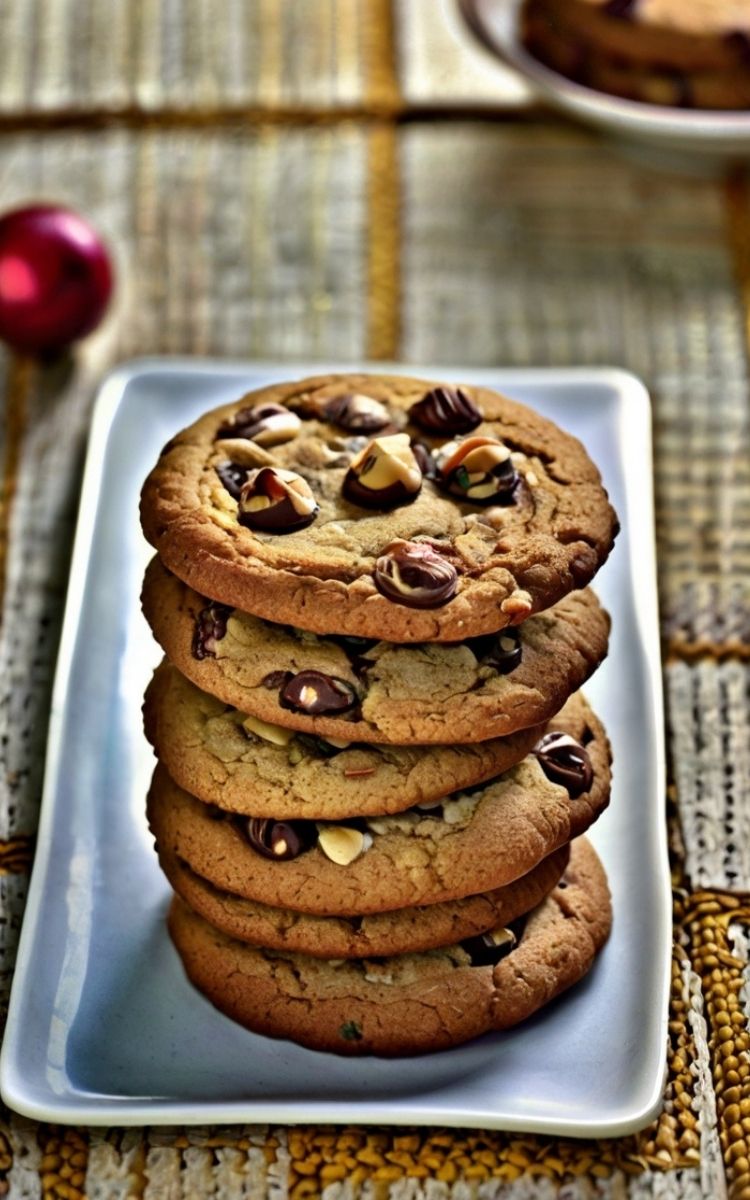
Soft, chewy, and loaded with melted chocolate. That is what Penn Station cookies taste like. A thick, buttery cookie with crisp golden edges, a soft center, and two full cups of semi-sweet chocolate chips in every batch. This guide covers the Penn Station cookies recipe in full depth, from the exact ingredients and the twelve-step method to variations, what to serve with them, and how to store the leftovers for a busy holiday week.
If you have ever stood in line at Penn Station and watched a tray of warm chocolate chip cookies come out of the oven, you know the smell alone is worth the trip. The good news is that you can bake that same cookie at home with pantry ingredients and one bowl. The dough comes together in about fifteen minutes, the cookies bake in ten to twelve minutes, and the whole batch is ready in about twenty-seven minutes. Follow the steps below and you will get thick, chewy cookies with pools of melted chocolate in every bite.
For more holiday baking for cold nights, see our Easy Winter Cookie Recipes for Cozy Holiday Baking.
The full original recipe this guide is based on is the Penn Station Cookie Recipe, with the same ingredients, times, and method used below.
Why Penn Station Cookies Belong on the Holiday Table
The holidays ask a lot of the cook. There are big meals to plan, guests to feed, and a table that needs to look generous without keeping you in the kitchen all day. Penn Station cookies fit that moment perfectly. They are quick to make, they feed a crowd from a single batch of about two dozen, and they taste like something you spent hours on. A tray of these cookies looks warm and welcoming on a dessert table, and they disappear faster than almost anything else you bake.
They also solve the most common problem with holiday baking: time. Between the main meal, the side dishes, and the guests arriving, nobody has hours to spend on dessert. These cookies need one bowl, one baking sheet, and about fifteen minutes of prep work. The dough can chill for thirty minutes while you do something else, and the cookies bake in ten to twelve minutes. You can bake them in the morning and serve them at dinner, or bake them the day before and store them in an airtight jar.
Penn Station cookies also suit every taste at the table. Kids love the thick, chocolatey centers and the soft, chewy bite. Adults love the buttery flavor and the way the cookies taste with a hot drink. They work for a Christmas dessert table, a holiday cookie box, a school party, or a quiet evening with a mug of hot chocolate. Bake a double batch and you will have enough for the party and a few left over for yourself.
There is something else that makes these cookies special: they are a copycat of a cookie people already love. Penn Station is famous for its fresh-baked chocolate chip cookies, and the moment guests recognize the flavor, the tray becomes a talking point. That is the kind of baking memory people carry with them, and it is why Penn Station cookies belong on every holiday table.
What Makes These Penn Station Cookies So Good
The first thing you notice about a Penn Station cookie is the texture. The edges are lightly golden and just firm enough to hold the cookie together, while the center stays soft and chewy for hours after baking. That contrast comes from the balance of the dough: equal parts granulated sugar and brown sugar, two eggs, and a full cup of butter. The brown sugar keeps the centers moist and chewy, while the granulated sugar helps the edges set and crisp.
The second thing is the chocolate. Two cups of semi-sweet chocolate chips go into a single batch, which is more than most chocolate chip cookie recipes use. That means every bite has melted chocolate in it, not just every other bite. The chips soften in the oven and stay soft while the cookies cool, so the first warm cookie has little pools of chocolate running through it.
The third thing is the size. These are generous cookies, scooped by the rounded tablespoon and spaced two inches apart so they have room to spread into thick, round discs. They bake up big enough to feel like a treat and small enough that one person can happily eat two. The recipe makes about twenty-four cookies, which is the right amount for a family gathering or a cookie box with a few to spare.
Finally, the flavor is simple and honest. There is no fancy ingredient here, no spice blend, no frosting to hide behind. Butter, sugar, vanilla, flour, and good chocolate chips are doing all the work, and that is exactly why the cookies taste so good. When the ingredients are this simple, quality matters, and this recipe gives each one room to shine.
Ingredients You Need for Penn Station Cookies
Good cookies start with good ingredients, and this recipe keeps the list short. Every item below is a pantry staple, and the amounts are the same as the original Penn Station Cookie Recipe, so you can bake with confidence.
- 1 cup unsalted butter, softened
- 1 cup granulated sugar
- 1 cup brown sugar, packed
- 2 large eggs
- 1 teaspoon vanilla extract
- 2 1/2 cups all-purpose flour
- 1 teaspoon baking soda
- 1/2 teaspoon baking powder
- 1/2 teaspoon salt
- 2 cups semi-sweet chocolate chips
The butter is the foundation of the flavor, so use real unsalted butter and let it soften at room temperature for about thirty minutes before you start. Butter that is too cold will not cream properly, and butter that is melted will make the dough spread too thin. Softened butter should dent easily when you press it with a finger and hold its shape.
The two sugars work as a team. Granulated sugar gives the cookies their crisp edges and helps them spread, while packed brown sugar adds moisture, chew, and a light caramel note. Pack the brown sugar firmly into the measuring cup so you get the full cup the recipe calls for. Light brown sugar is the right choice here; dark brown sugar will make the cookies darker and more molasses-flavored.
Use large eggs at room temperature. Cold eggs can make the butter seize up and the batter look curdled, while room-temperature eggs mix in smoothly. If you forgot to take the eggs out of the fridge, set them in a bowl of warm water for five minutes. The vanilla extract should be pure vanilla, not imitation, because the flavor is noticeable in a cookie this simple.
For the dry ingredients, spoon the flour into the measuring cup and level it off with a knife. Scooping straight from the bag packs the flour down and can add an extra quarter cup without you noticing, which makes the cookies dry and cakey. The baking soda and baking powder work together: the soda gives the cookies their spread and chew, while the powder gives them a little lift. Salt may seem like a small detail, but half a teaspoon makes the chocolate and butter taste richer.
Choose good semi-sweet chocolate chips. They are the star of the cookie, so a better chip means a better cookie. Chips hold their shape more than chopped chocolate, which is what you want here, but chopped chocolate from a good bar also works if you prefer pools of melted chocolate over distinct chips.
Equipment You Will Need
You do not need fancy tools for this recipe. Everything below is standard kitchen equipment, and the whole batch can be baked with one bowl, one baking sheet, and a mixer.
- Mixing bowls
- Electric mixer
- Measuring cups and spoons
- Baking sheets
- Parchment paper
- Cooling racks
- Spatula
A large mixing bowl holds the dough, and a medium bowl holds the whisked dry ingredients. An electric hand mixer or a stand mixer makes the creaming step fast and easy, but a sturdy wooden spoon and a little patience will work too. Measuring cups and spoons matter more than they seem: baking is chemistry, and the right amounts of flour, soda, and salt decide whether the cookies spread or stay thick.
Line your baking sheets with parchment paper. It keeps the cookies from sticking, helps them bake evenly, and makes cleanup as simple as throwing the paper away. If you only have one baking sheet, bake in batches and let the sheet cool for a few minutes between rounds, because hot sheets make the next batch spread more. A cooling rack is important too: cookies left on a hot tray keep baking and can turn crisp, while cookies moved to a rack stop baking and stay soft. A flexible spatula helps you fold in the chocolate chips and scrape every last bit of dough from the bowl.
How to Make Penn Station Cookies
Follow these twelve steps in order and you will get thick, chewy cookies with golden edges and melted chocolate in every bite. The whole process takes about twenty-seven minutes from start to finish, plus an optional thirty-minute chill.
- Preheat the oven. Set the oven to 350 degrees Fahrenheit (175 degrees Celsius) and let it heat fully while you mix the dough. Line two baking sheets with parchment paper so the cookies do not stick and bake evenly.
- Soften the butter. Make sure the butter is soft before you start. It should dent easily when pressed and hold its shape. If the butter is still cold, cut it into small pieces and let it sit on the counter for ten to fifteen minutes.
- Cream the butter and sugars. Put the softened butter, granulated sugar, and packed brown sugar in a large mixing bowl. Beat them with an electric mixer on medium speed for two to three minutes until the mixture is light, fluffy, and pale. This step traps air in the dough and is what makes the cookies tender instead of dense.
- Add the eggs one at a time. Crack in the first egg and beat until it is fully mixed in, then add the second egg and beat again. Adding the eggs one at a time keeps the batter smooth and stops it from curdling. Stir in the vanilla extract.
- Whisk the dry ingredients. In a separate medium bowl, whisk together the flour, baking soda, baking powder, and salt until they are evenly combined. Whisking spreads the leavening through the flour so the cookies rise evenly instead of rising in spots.
- Combine the wet and dry ingredients. Add the flour mixture to the butter mixture a little at a time, mixing on low speed after each addition. Stop as soon as the flour disappears. Overmixing at this stage develops the gluten in the flour and makes the cookies tough instead of tender.
- Fold in the chocolate chips. Add the two cups of semi-sweet chocolate chips and fold them in gently with a spatula. Make sure the chips are spread through the whole bowl so every cookie gets a fair share.
- Chill the dough if you have time. Cover the bowl and refrigerate the dough for at least thirty minutes. Chilling firms up the butter, so the cookies spread slowly in the oven and bake up thick and soft instead of thin and crisp. This step is optional, but it makes a real difference.
- Scoop the dough. Use a cookie scoop or a spoon to drop rounded tablespoons of dough onto the prepared baking sheets. Space the mounds about two inches apart, because the cookies will spread as they bake.
- Bake the cookies. Put the sheets in the preheated oven and bake for ten to twelve minutes. The cookies are done when the edges look golden brown and set, while the centers still look slightly soft. They will finish baking on the hot tray after you take them out.
- Cool the cookies on the tray. Leave the cookies on the baking sheet for about five minutes after they come out of the oven. This lets them firm up enough to move without breaking, and the centers finish setting in the gentle heat.
- Move to a cooling rack and serve. Transfer the cookies to a wire rack to cool completely. Eat them warm while the chocolate is still soft, or let them cool and store them for later. One batch makes about twenty-four cookies.
The Secret to Soft, Chewy Penn Station Cookies
The secret to this cookie is not one trick but three small habits that add up. The first is room-temperature ingredients. Butter and eggs at room temperature mix into a smooth, creamy dough, and smooth dough bakes into tender cookies. Cold butter does not cream properly, and cold eggs can make the batter look lumpy and uneven. Set the butter and eggs on the counter thirty minutes before you start, and the rest of the recipe gets easier.
The second habit is measuring the flour the right way. Spoon the flour into the measuring cup and level it off with the back of a knife. Never scoop the cup straight into the flour bag, because the flour packs down and you end up with too much. Too much flour is the single most common reason homemade cookies turn out dry and cakey, and this recipe only needs two and a half cups.
The third habit is knowing when to stop. Stop mixing the moment the flour disappears, and stop baking the moment the edges turn golden. The centers should still look a little soft when the tray comes out of the oven, because they keep cooking for a few minutes on the hot sheet. Cookies taken out at exactly the right moment stay soft and chewy for days, while cookies left in the oven until they look fully done turn crisp as they cool. The chill step helps too: thirty minutes in the fridge makes the butter firm, the cookies thicker, and the centers softer.
Variations to Try
Once you have baked the classic version, this dough is an easy base for your own ideas. Each variation below keeps the same butter, sugar, and flour base, so the cookies bake the same way and come out just as thick and chewy.
Add nuts. Stir in a cup of chopped walnuts or pecans with the chocolate chips. The nuts add a buttery crunch that plays well against the soft cookie and the melted chocolate. Toast the nuts in a dry pan for two minutes first if you want a deeper flavor.
White chocolate and macadamia. Swap the semi-sweet chocolate chips for white chocolate chips and add a cup of chopped macadamia nuts. The result is sweeter and richer, with the salty crunch of the nuts balancing the white chocolate. This is the version to make for a cookie box, because it looks different from every other cookie on the tray.
Peanut butter swirl. Warm a third of a cup of creamy peanut butter for twenty seconds in the microwave, then drizzle it over the dough and fold it in with just two or three strokes. You want ribbons of peanut butter running through the dough, not a fully mixed peanut butter cookie. The salty, nutty swirl with the chocolate chips tastes like a candy bar in cookie form.
Oatmeal chocolate chip. Replace half a cup of the flour with rolled oats, or stir a cup of oats into the finished dough. The oats add chew and a hearty, wholesome texture, and they make the cookies feel a little more filling. Old-fashioned rolled oats work best; quick oats will disappear into the dough.
Double chocolate. Whisk a third of a cup of cocoa powder into the dry ingredients before you add them to the butter mixture. The dough turns dark and rich, and the finished cookies taste like a brownie in cookie form. Add a few extra chocolate chips on top before baking if you want them to look as chocolatey as they taste.
For more chocolate chip cookie ideas, see our Easy Pioneer Woman Chocolate Chip Cookies for the Holidays.
How to Tell When the Cookies Are Done
The hardest part of baking cookies is knowing when to take them out, and this recipe is forgiving if you watch for three signs. First, look at the edges. They should be set and lightly golden brown, with a fine crackle across the surface. If the edges are still pale and shiny, the cookies need another minute or two.
Second, look at the centers. They should still look slightly soft and a little puffy when the tray comes out of the oven. That is exactly right. The centers will settle and firm up as the cookies cool on the hot tray, and they are what keep the cookies chewy. If the centers look dry and flat in the oven, the cookies are already overbaked.
Third, watch the color of the chocolate. The chips on the surface should look glossy and just melted. If they are starting to darken or the edges of the cookies are turning deep brown, take the tray out right away. Ovens vary, so start checking at ten minutes and check every minute after that. It is always better to take cookies out a minute early than a minute late.
Make-Ahead Tips for Busy Holiday Days
Penn Station cookie dough is one of the best make-ahead doughs you can keep in the fridge, and a little planning means warm cookies on demand all week. Mix the dough the night before, cover the bowl tightly with plastic wrap, and refrigerate it overnight. The next day, let the dough sit on the counter for ten minutes so it softens enough to scoop, then bake as usual. The overnight rest actually improves the flavor, because the flour hydrates and the brown sugar deepens.
You can also scoop the dough into balls ahead of time. Roll rounded tablespoons of dough, place them on a tray lined with parchment, and refrigerate the balls for up to two days. When you are ready to bake, put the cold balls straight onto a lined sheet and add one extra minute to the baking time. This is the easiest way to bake fresh cookies for unexpected guests.
For longer storage, freeze the dough balls. Put the tray of scooped balls in the freezer for an hour until firm, then move the balls to a freezer bag with the air pressed out. They keep for up to three months. Bake straight from frozen with two extra minutes in the oven, and nobody will know the dough was made weeks ago. Label the bag with the date and the baking time so future you does not have to guess.
What to Serve With Penn Station Cookies
These cookies are rich and buttery, so they pair best with something simple. A cold glass of milk is the classic choice, and it is still the best one: the cold milk cuts the sweetness and lets the chocolate shine. Hot chocolate is the holiday upgrade, especially a thick, homemade one with a little whipped cream on top.
Coffee lovers should reach for a milky coffee or a latte. The bitterness of the coffee balances the sweet cookie, and dunking a warm cookie into coffee is one of the small pleasures of the season. For tea drinkers, a strong black tea or a chai works well, because the spice in the chai plays against the chocolate.
For a dessert table, pair the cookies with something light and fresh. A bowl of vanilla ice cream turns two cookies into an ice cream sandwich, and a fruit salad or a plate of sliced apples cleanses the palate between cookies. For a bigger holiday dessert spread, our 12 Best Holiday Dessert Recipes has crowd-pleasers for every taste, and our Easy Winter Cheesecake Recipes for Cozy Holiday Desserts makes a creamy make-ahead centerpiece to serve beside the cookie tray. The cookies also sit happily next to lighter holiday bakes. Serve them with our Easy Caramel Apple Cookies for the Holidays and our Easy Nutella Thumbprint Cookies for the Holidays for a cookie tray with three very different flavors.
How to Store and Reheat Leftovers
Store the cooled cookies in an airtight container at room temperature, with a sheet of parchment between layers if you are stacking them. They will stay fresh for up to a week, and they taste best in the first two or three days. Keep the lid closed between servings, because air is what dries cookies out. A slice of bread in the container helps: the bread dries out first and the cookies stay moist.
For longer storage, freeze the baked cookies for up to three months. Let them cool completely, then freeze them in a single layer on a tray until firm. Move the frozen cookies to a freezer bag, press out the air, and label the bag. Thaw at room temperature for about thirty minutes, and warm them for ten seconds in the microwave if you want the chocolate soft again.
To reheat a cookie that has firmed up after a day or two, ten seconds in the microwave is enough. Any longer and the chocolate can scorch. If you prefer the oven, wrap the cookie loosely in foil and warm it at 300 degrees Fahrenheit for three to four minutes. Never store warm cookies in a closed container, because the trapped steam makes them soggy.
Frequently Asked Questions
How should I store Penn Station Cookies to keep them fresh?
Store the cooled cookies in an airtight container at room temperature. They will stay fresh for up to a week. For extended storage, freeze the cookies for up to three months in a freezer bag with the air pressed out. Let them thaw at room temperature for about thirty minutes before serving, and warm them for ten seconds in the microwave if you want the chocolate soft again.
Can I make the Penn Station Cookie Recipe gluten-free?
Yes, you can make a gluten-free version by using a gluten-free all-purpose flour blend in place of the regular flour. Use the same amount, two and a half cups, and make sure the baking soda, baking powder, and chocolate chips are also certified gluten-free. The cookies will be slightly more delicate, so let them cool on the tray for a few extra minutes before moving them.
Can I make the Penn Station Cookie Recipe without eggs?
Yes, you can make an egg-free version by using substitutes like unsweetened applesauce (a quarter cup per egg), mashed banana (a quarter cup per egg), or a commercial egg replacer. The texture may differ slightly from the original, but these alternatives work well. Applesauce gives the softest result, while banana adds a faint fruity note that pairs nicely with the chocolate.
Can I add oatmeal to the Penn Station Cookie Recipe?
Yes, adding oatmeal gives the cookies a delightful texture and extra chewiness. Replace a portion of the flour with rolled oats, or simply add a cup of oats to the dough. This variation is a great way to add some whole grains to your cookies, and it makes them feel a little more filling without changing the baking time.
Is it possible to make Penn Station Cookies vegan?
Yes, you can make vegan Penn Station cookies by using plant-based butter, egg substitutes like flax eggs or chia eggs, and dairy-free chocolate chips. Make sure all the ingredients are certified vegan to keep the recipe fully plant-based. The cookies will bake the same way, though plant-based butter can make them spread a little more, so chilling the dough for thirty minutes is especially helpful.
Can I chill the dough overnight?
Yes, and it actually improves the cookies. Mix the dough, cover the bowl tightly, and refrigerate it overnight. The flour hydrates fully and the brown sugar flavor deepens, so the baked cookies taste richer. Let the dough sit on the counter for about ten minutes before scooping, then bake as usual with no other changes.
Final Thoughts
Penn Station cookies are the kind of recipe that earns a permanent place in your holiday baking. They are simple enough for a weeknight, generous enough for a party, and flexible enough to make your own with nuts, white chocolate, peanut butter, or oats. The ingredients are pantry staples and a bag of chocolate chips, the method is one bowl and twelve steps, and the result is a tray of thick, chewy cookies with pools of melted chocolate in every bite.
Bake a batch this week and see how fast they disappear. Pack some in a cookie box for a neighbor, save some for the dessert table, and keep a few warm for yourself with a cold glass of milk. For more seasonal baking, explore our Easy Winter Dessert Recipes and our Easy Winter Gingerbread Recipes for Cozy Holiday Baking. Happy baking, and happy holidays.